








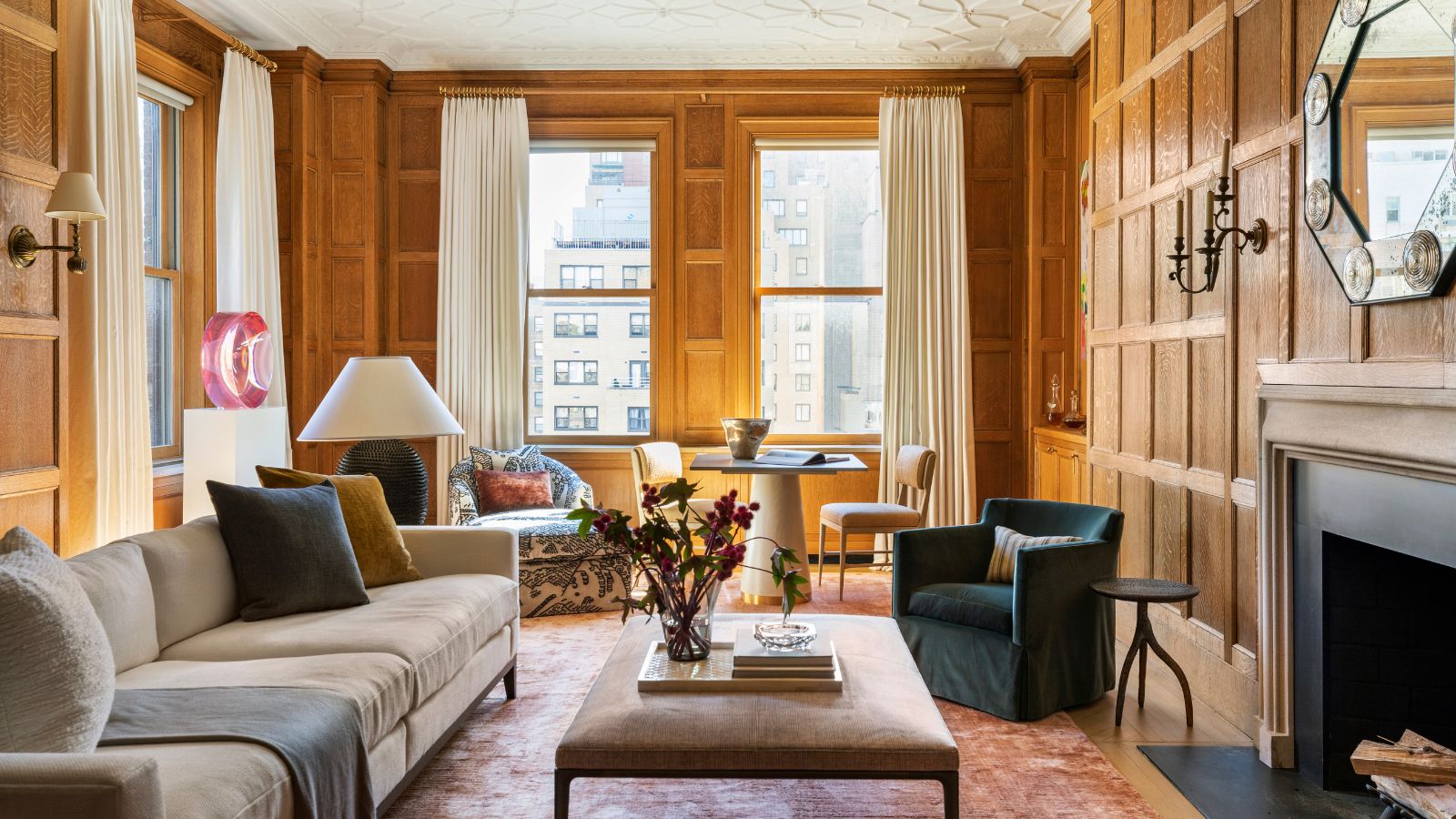
There is a particular frustration many people experience while decorating their homes. They spend money replacing furniture, buying decorative accessories, repainting walls, and endlessly rearranging layouts, only to feel that the room still somehow lacks polish. Nothing looks technically wrong, yet the space does not feel elevated in the way beautifully designed interiors do.
What surprises most homeowners is that the biggest visual transformations rarely come from the largest purchases. Designers know that certain changes affect the entire perception of a room almost instantly. The right curtains can make ceilings feel taller. Better lighting can soften every material in the home. A properly scaled rug can suddenly make a room feel intentional rather than disconnected. These details reshape proportion, atmosphere, and balance in ways that expensive statement pieces alone often cannot.
This is why some rooms feel luxurious even with relatively modest furniture, while others filled with expensive items still feel unfinished. The difference is not necessarily budget. It is understanding which design decisions create the strongest visual impact.
And interestingly, many of the most transformative upgrades are less about adding more things and more about correcting proportion, softness, and scale.
Window Treatments Change the Entire Architecture of a Room
Few design elements have more influence over a room than window treatments, yet they are consistently treated as an afterthought. People spend months selecting sofas and dining tables while choosing curtains in a rush at the very end of the decorating process. But windows shape how light enters a room, how tall the ceilings feel, and whether the architecture appears elegant or awkward.
Poorly handled windows can flatten even beautiful interiors.
One of the most common mistakes designers notice immediately is curtain placement. Curtains mounted directly above the window frame visually shorten the walls and make ceilings feel lower. The room begins to feel compressed without the homeowner fully understanding why. Designers almost always hang curtain rods significantly higher, often close to the ceiling itself, because this draws the eye upward and elongates the proportions of the space.
The effect can be dramatic. Standard-height rooms suddenly feel taller and more architectural. Smaller windows appear larger. The entire room gains softness and verticality.
Width matters just as much. Curtains that barely cover the frame often emphasize the exact dimensions of the window, making it appear smaller and more constrained. Designers usually extend rods wider than the actual window so the curtain panels sit mostly beside the glass when open. This allows far more natural light into the room while creating the illusion of a larger window.
Fabric choice changes the atmosphere too. Soft custom curtains filter light gently and create movement within the space. Patterned custom roman shades introduce tailored personality, mimicking framed art pieces. Woven textures soften rooms filled with stone, glass, or metal. Good window treatments do not simply cover windows. They shape how the entire room feels throughout the day.
And perhaps most importantly, they make a space feel finished.
Lighting Is What Gives a Home Emotional Warmth
Lighting may be the single most underrated design tool in ordinary homes. Many interiors rely almost entirely on overhead fixtures, flooding rooms with uniform brightness that strips depth and softness from every surface. Even beautiful furniture can feel flat under harsh lighting.
Designers approach lighting differently because they understand that atmosphere matters just as much as visibility.
Instead of relying on one central fixture alone, they layer multiple sources of light throughout the room. Table lamps, floor lamps, sconces, concealed lighting, and soft ambient glow create variation and depth. Light exists at different heights, which immediately makes a room feel calmer and more intimate.
This layered approach transforms how materials behave. Wood appears richer. Linen curtains begin to glow softly in the evening. Upholstery develops warmth and texture. Paint colours gain dimension instead of looking flat and cold.
The emotional effect is enormous.
This is why professionally designed homes often feel completely different at night. Designers are not simply lighting the room; they are shaping mood and atmosphere through light itself.
Bulb temperature matters more than most people realise as well. Cool white lighting can unintentionally make interiors feel clinical, particularly in modern homes already filled with polished surfaces. Warm lighting softens architecture and creates the sense of comfort people instinctively associate with luxurious interiors.
And unlike major renovations, lighting changes often require relatively little investment while delivering an outsized visual payoff.
Rugs Quietly Determine Whether a Room Feels Balanced
Rugs are one of the most misunderstood elements in interior design because their importance is often psychological rather than obvious. People notice when a rug looks wrong long before they consciously understand why.
Most often, the problem is scale.
One of the biggest mistakes homeowners make is choosing rugs that are too small for the room. A small rug floating beneath furniture fragments the layout visually. The seating arrangement begins to feel disconnected, almost as though each piece exists independently rather than as part of a cohesive composition.
Designers almost always size rugs larger than people initially expect because larger rugs create grounding. They visually anchor furniture together and make the room feel calmer, more expansive, and more intentional.
The transformation can be surprisingly dramatic. Even relatively affordable furniture begins to look more elevated once it sits properly within the boundaries of a correctly scaled rug.
Texture matters here too. Rugs are not only functional surfaces; they are one of the largest sources of softness in a room. In spaces dominated by wood, tile, concrete, or stone, a textured wool rug introduces warmth and comfort immediately. It changes both the visual and physical experience of the space.
And importantly, rugs influence acoustics as well. Rooms with no soft surfaces often feel echo-heavy and emotionally cold, even when beautifully furnished. A substantial rug absorbs sound and softens the atmosphere in a way people feel instinctively.
The Most Transformative Changes Are Usually About Proportion
One of the reasons these décor upgrades create such a dramatic effect is because they alter proportion rather than simply adding decoration.
Floor-to-ceiling custom curtains reshape the perceived height of the room. Lighting changes how surfaces and textures are experienced. Rugs organize the scale and visual balance of furniture arrangements. These are foundational design decisions, which is why their impact feels so immediate.
Designers understand that a home does not necessarily feel luxurious because it contains expensive things. It feels luxurious when the proportions are harmonious and the atmosphere feels intentional.
This is also why beautifully designed rooms often feel calm rather than overly decorated. The visual balance has been handled correctly, so the eye moves naturally through the space instead of constantly encountering tension or imbalance.
Small Changes Often Matter More Than Large Purchases
People frequently assume that improving a room requires replacing everything inside it. But many of the most powerful transformations happen through relatively subtle adjustments.
A higher curtain rod can make the ceilings feel dramatically taller. A larger rug can completely reorganize the visual structure of a living room. Warm layered lighting can soften every material in the home simultaneously.
These changes work because they influence how the room itself is perceived rather than focusing attention on individual objects alone.
And perhaps that is the real secret behind impactful interior design. The best spaces are not necessarily filled with more things. They are spaces where proportion, softness, scale, and atmosphere have been considered thoughtfully.
Because ultimately, what people respond to most in a beautiful home is not a single statement piece.
It is the feeling the room creates the moment they walk into it.