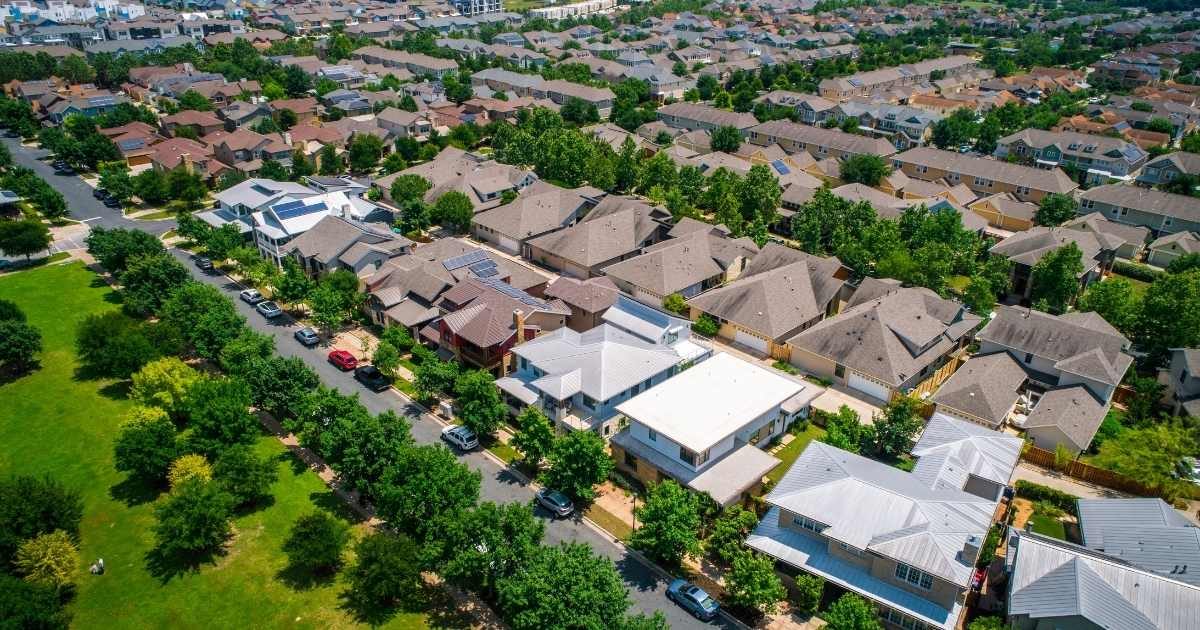








Effective real estate and construction reputation management builds trust, attracts clients, and safeguards project value in a competitive market.

In the intricate world of property development and building, a company’s standing is paramount. It dictates client trust, partnership opportunities, and even project viability. From small residential builders to large commercial developers across the US, a solid reputation isn’t merely a nice-to-have; it is a fundamental asset that requires consistent nurturing and protection. My years in this sector have shown me that a robust reputation is often the deciding factor between sustained success and struggle, directly influencing growth and market perception.
Overview:
- Reputation is a critical asset in real estate and construction, impacting trust, market perception, and business success.
- Proactive strategies are essential for building and maintaining a positive public image and stakeholder relationships.
- Effective communication, transparency, and consistent quality are key components of reputation building.
- Managing online reviews, social media presence, and digital narratives is vital in today’s interconnected market.
- Swift, honest, and empathetic crisis response can protect credibility and mend relationships during challenging times.
- Ethical practices, accountability, and a commitment to delivery are the bedrock of long-term reputation.
- A strong reputation attracts repeat business, generates valuable referrals, and often increases project value and profitability.
The Foundation of Trust in real estate and construction reputation management
Building trust begins long before a single brick is laid or a property is sold. It starts with a commitment to quality, transparency, and ethical conduct. Clients, investors, and community members observe every action, from initial proposals to project completion. A project consistently completed on time, within budget, and to high standards speaks volumes. Equally important are clear communication channels at all stages. People want to know what to expect and feel informed throughout the process.
From my experience, one critical aspect is managing expectations effectively from the outset. We often see reputation issues arise from misaligned understanding, not outright failures in execution. This includes upfront, honest discussions about timelines, costs, potential challenges, and regulatory hurdles. Integrity in all dealings creates a robust foundation. This consistent approach to quality and clear, honest communication forms the bedrock of good real estate and construction reputation management. It shows profound respect for all stakeholders involved, fostering genuine loyalty.
Proactive Strategies for real estate and construction reputation management
Developing a strong reputation requires ongoing, deliberate effort, not just reactive measures to problems. A proactive approach involves several key areas. Firstly, maintaining an active and professional online presence is crucial in the digital age. This means regularly updating company websites with project showcases and news, and engaging thoughtfully on relevant social media platforms. Highlighting successful projects and sharing positive client testimonials amplifies good work.
Secondly, fostering strong, reciprocal relationships with subcontractors, suppliers, and especially local communities is invaluable. These individuals and groups often become informal brand ambassadors. Positive word-of-mouth remains incredibly powerful in our industry, often more influential than advertising. Consistently delivering on promises and engaging responsibly with the community reinforces this positive perception. By focusing on these elements, firms can build a resilient, positive reputation. This forward-thinking strategy for real estate and construction reputation management helps prevent issues before they escalate, while positioning a company as a dependable industry leader.
Crisis Response and Maintaining Credibility
Even the most reputable firms face unexpected challenges. A construction accident, a significant project delay, an unforeseen environmental issue, or a legal dispute can quickly affect public perception. How a company handles these incidents defines its true character and commitment. The initial response must be swift, honest, empathetic, and factual. Trying to conceal problems or deflect blame almost always backfires, causing deeper damage.
Open and transparent communication with all affected parties is paramount. Address concerns directly and offer realistic solutions, explaining the steps being taken. Transparency, even when inconvenient or difficult, builds long-term credibility and trust. My firsthand experience confirms that taking immediate responsibility, expressing sincere regret, and outlining clear corrective actions can turn a negative situation into a powerful demonstration of integrity and accountability. This proactive and honest approach prevents minor issues from becoming major, lasting reputational disasters, thereby maintaining trust when it matters most.
Long-Term Impact of real estate and construction reputation management
A well-managed reputation yields significant, lasting dividends for any real estate or construction enterprise. It consistently attracts top talent, eager to work for a respected and ethical firm. It draws in quality clients and investors who prioritize reliability, proven track record, and value over simply the lowest bid. Furthermore, a strong public image can significantly streamline the complex permitting and approval processes, easing community relations for new developments. Regulators and local authorities often view trusted entities more favorably, accelerating project timelines.
In the competitive US market, a stellar reputation acts as a powerful, sustainable differentiator. It allows businesses to command fair pricing, secure better financing terms, and achieve higher profit margins. Ultimately, diligent real estate and construction reputation management safeguards a company’s invaluable brand equity. This protects future earnings, ensures sustained growth, and solidifies market position. It’s an investment that pays off repeatedly, reinforcing the company’s legacy and influence for decades to come, far beyond individual projects.