







Learn expert methods for top-tier vintage car restoration. From assessment to reassembly, master authentic techniques and quality craftsmanship.

Vintage car restoration is more than just repair work. It is a meticulous process, a blend of historical research, artistic vision, and mechanical expertise. Achieving true quality requires an unwavering commitment to authenticity and precision. Experts approach each project as a historical artifact deserving of faithful recreation. This ensures not only functional revival but also preservation of automotive heritage.
Overview
- Thorough initial assessment and detailed documentation are crucial for any successful project.
- Authenticity drives material and component sourcing, often involving specialized fabrication.
- Precision bodywork requires skilled metal shaping, proper lead work, and flawless paint application.
- Mechanical systems must be rebuilt to original factory specifications for reliability and performance.
- Interiors are replicated with era-correct materials and techniques, focusing on detail.
- Every stage demands rigorous quality control and a deep understanding of the specific vehicle’s history.
- Expert teams rely on specialized tools and years of accumulated knowledge for accurate work.
The Foundational Steps in Vintage Car Restoration
A truly successful vintage car restoration begins long before any wrench is turned. It starts with comprehensive documentation. Experts photograph every angle, label every part during disassembly, and maintain detailed logs. This meticulous record-keeping is vital. It guides reassembly and ensures authenticity. Historical research also plays a significant role. This involves reviewing factory manuals, period advertisements, and production records. Understanding the car’s original specifications is paramount.
Rust is often the first major challenge. Proper rust removal methods are employed, sometimes involving sandblasting or chemical dips. Fabricating replacement metal panels is common practice. Many parts are no longer available. Skilled craftsmen hand-form sheet metal to original contours. Sourcing authentic components is another critical task. This might involve tracking down New Old Stock (NOS) parts. Sometimes, precise reproductions are commissioned. In the US, a network of specialized suppliers exists for these unique needs.
Precision Bodywork and Paint for Vintage Car Restoration
Achieving a flawless exterior requires exceptional skill. Bodywork often involves extensive metal repair. Dents are pulled, panels straightened, and rust-affected areas are cut out. New metal is then carefully welded in place. Panel gaps and body lines must align perfectly. This ensures structural integrity and visual appeal. Lead loading is a traditional method still used by experts. It helps create seamless transitions and smooth surfaces. This is preferred over excessive plastic fillers.
Surface preparation is critical for paint longevity. Multiple layers of primer are applied. Each layer is meticulously block-sanded to perfection. This eliminates any imperfections. Paint matching is done using spectrometer technology. This ensures the correct period-specific color. The application involves several coats of base color and clear coat. Each layer is carefully cured and buffed. The final finish mimics the original factory appearance. It achieves a deep, reflective shine.
Authentic Mechanical Rebuilding
Bringing a vintage car’s mechanical systems back to life demands deep technical knowledge. Engines are completely disassembled. Components like crankshafts and connecting rods are inspected and reconditioned. Cylinders are honed, and new pistons are fitted. This restores original compression and power. Transmissions and differentials receive similar treatment. Gears, bearings, and seals are replaced. The goal is smooth, reliable operation, just as it left the factory.
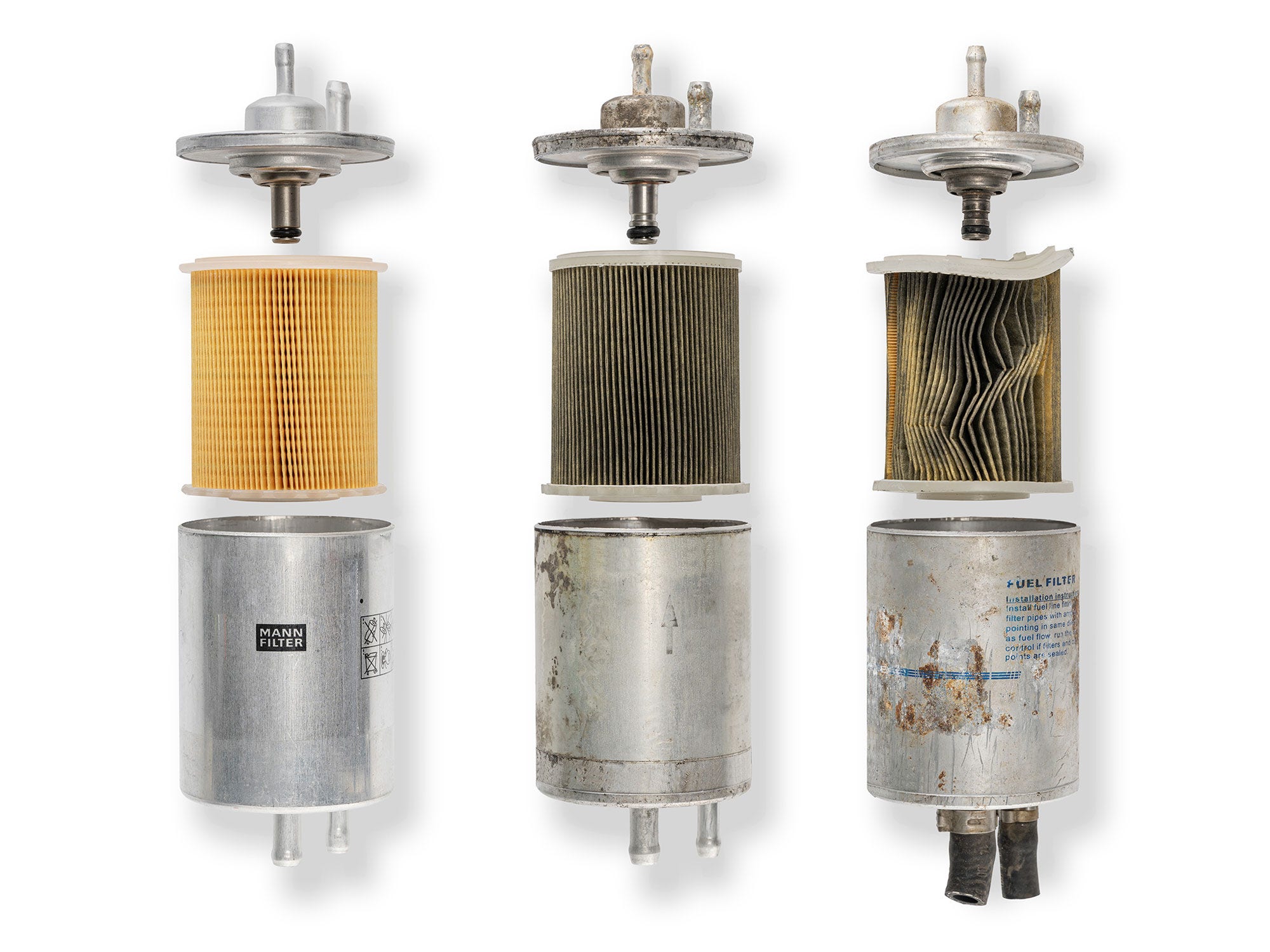
Suspension components are inspected for wear. Worn bushings, leaf springs, and shock absorbers are replaced. This ensures correct ride height and handling characteristics. Brake systems are fully overhauled. This includes new lines, calipers, and master cylinders. Safety is paramount. Wiring harnesses are often replaced entirely. Older wiring can become brittle and unreliable. Fuel systems are cleaned and repaired. Fuel tanks are sealed to prevent future issues. Every system is tested rigorously to meet original performance standards.
Finishing Touches and Upholstery in Vintage Car Restoration
The interior and final details define a high-quality vintage car restoration. Experts pay close attention to originality. Upholstery materials must match the period and specific model. This includes correct fabrics, leathers, and patterns. Seats are rebuilt with new foams and springs. Headliners and door panels are replaced or repaired. Dashboards often require specialized refurbishment. This might include restoring original wood grain or instrument bezels. Gauges are calibrated and restored to function perfectly.
Chrome plating and polishing brightwork add significant visual impact. Bumpers, trim pieces, and emblems are often sent to specialist platers. They apply period-correct finishes. Glass replacement involves finding correct curved panes. New weatherstripping seals doors and windows. This keeps out moisture and reduces noise. The final assembly phase is slow and methodical. Every component is fitted with care. Post-restoration detailing ensures every surface shines. A road test confirms all systems perform correctly. This comprehensive approach results in a truly exceptional vehicle.
